Why should we read the Quran? Muslims read the Quran as an act of worship, to seek Allah's guidance, increase faith, gain reward, improve character, find spiritual comfort and build a stronger relationship with Allah. Quran reading becomes even more meaningful when recitation is combined with understanding, reflection and action.
The Quran is not a book Muslims read only during Ramadan or on special occasions. It is Allah's revelation and a source of guidance meant to remain part of a believer's life.
Yet many people struggle to maintain a regular relationship with the Quran. Some may be busy, uncertain about their pronunciation, unable to read Arabic fluently, or simply unsure how to build a consistent Quran-reading routine.
This guide explores 20 important reasons and benefits of reading the Quran and explains how children, adults and complete beginners can develop a lasting relationship with Allah's Book.

Why Is Reading the Quran So Important?
The Quran describes itself as guidance, mercy and a reminder. Reading it allows Muslims to repeatedly return to Allah's words, learn what He commands, reflect on His signs and remember the purpose of life.
كِتَابٌ أَنزَلْنَاهُ إِلَيْكَ مُبَارَكٌ لِّيَدَّبَّرُوا آيَاتِهِ وَلِيَتَذَكَّرَ أُولُو الْأَلْبَابِ
“This is a blessed Book which We have revealed to you so that they may reflect upon its verses and that those of understanding would be reminded.”
Quran 38:29
This verse highlights an important principle. Our relationship with the Quran should include both recitation and reflection. The Book is described as blessed, and believers are encouraged to contemplate its verses and remember their lessons.
20 Reasons and Benefits of Reading the Quran
To Worship Allah Through Recitation
Reading the Quran is itself an act of worship. Muslims do not need to wait until they understand every Arabic word before beginning to recite.
Learning, reading and gradually improving are all part of building a relationship with the Quran.
To Receive Reward for Reciting Allah's Book
The Prophet ﷺ taught that Quran recitation carries great reward, even at the level of individual letters.
This makes even a short and sincere daily reading session valuable.
To Receive the Quran's Intercession
The Prophet ﷺ encouraged Muslims to recite the Quran and taught that it will come as an intercessor for its companions on the Day of Resurrection.
Reported in Sahih Muslim.
To Seek Guidance from Allah
One of the Quran's central descriptions is that it is guidance. It teaches believers about worship, morality, relationships, hardship and the purpose of life.
See Quran 2:2.
To Strengthen Faith
The Quran connects receiving Allah's verses with increased faith. Regular recitation reminds Muslims of Allah, the Hereafter, His promises, His warnings and His mercy.
See Quran 8:2.
To Remember Allah More Often
Modern life can fill our attention with work, study, responsibilities and constant digital distractions. Quran reading creates deliberate time to return to the remembrance of Allah.
To Find Spiritual Comfort
The Quran describes Allah's revelation as healing and mercy for believers.
For Muslims, Quran recitation and reflection can provide spiritual reassurance and help strengthen their connection with Allah during difficult periods.
See Quran 17:82.
To Reflect on the Purpose of Life
The Quran repeatedly invites people to think about creation, death, resurrection, accountability and why human beings were created.
To Learn About Allah
The Quran teaches us about Allah's names and attributes, His mercy, wisdom, justice, knowledge, power and forgiveness.
To Learn from the Prophets
Stories of Adam, Nuh, Ibrahim, Musa, Yusuf, Maryam, Isa and other prophets contain lessons about faith, patience, repentance and trust in Allah.
To Improve Character
The Quran repeatedly teaches honesty, justice, patience, humility, gratitude, forgiveness and kindness.
The goal is not simply to finish pages, but to allow what we read to influence the way we live.
To Recognize Right and Wrong
Reading the Quran regularly helps Muslims remain familiar with its moral principles, commands and prohibitions.
To Develop Patience During Difficulties
The Quran describes prophets and believers who endured hardship while maintaining faith and trust in Allah.
To Increase Gratitude
The Quran reminds us of blessings that can easily become overlooked, including life, family, food, knowledge, creation and faith itself.
To Learn How to Make Dua
The Quran contains many powerful supplications made by prophets and believers.
These duas teach humility, repentance, reliance on Allah and gratitude.
To Prepare for the Hereafter
The Quran frequently reminds its reader of death, resurrection, judgment, Paradise and Hell.
To Build a Lifelong Relationship with Revelation
Quran reading is not a course that ends with a certificate. Muslims can return to the same Surah throughout their lives and continue discovering reminders and lessons.
To Understand the Quran More Deeply
Regular reading builds familiarity with Quranic vocabulary, stories, themes and concepts.
Combined with translation, Tafseer and Arabic study, this can gradually deepen understanding.
To Preserve and Improve Quran Recitation
Regular practice helps learners maintain fluency, strengthen pronunciation and continue applying Tajweed rules.
To Reflect and Act on What We Read
One of the important purposes of the Quran is Tadabbur: reflecting on its verses and allowing their guidance to influence our actions.
The question should not only be, “How many pages did I read?” but also, “What did I learn, and how can I apply it?”
See Quran 38:29.
وَنُنَزِّلُ مِنَ الْقُرْآنِ مَا هُوَ شِفَاءٌ وَرَحْمَةٌ لِّلْمُؤْمِنِينَ
“And We send down of the Quran that which is healing and mercy for the believers.”
Quran 17:82
Is Reading the Quran Enough, or Should We Understand It Too?
Recitation and understanding are not competing goals. Recitation, understanding, reflection and action complement one another.
Someone who does not yet know Arabic can still recite the Quran while gradually learning its meanings. Reading a reliable translation and Tafseer can help the student understand what Allah is teaching.
A balanced relationship with the Quran includes:
- Recitation: reading Allah's words correctly.
- Understanding: learning what the verses mean.
- Tadabbur: reflecting on their lessons.
- Memorization: preserving verses in the heart.
- Action: applying Quranic guidance in everyday life.
Watch: What Do I Achieve by Reading the Quran?
In this lecture, Mufti Menk discusses the value and benefits of engaging with the Quran and why believers should maintain a meaningful relationship with Allah's Book.
What Do I Achieve by Reading the Quran? — Mufti Ismail Menk
How Can I Learn to Read the Quran Correctly?
Your starting point depends on your current ability. Someone who cannot recognize Arabic letters needs a different learning path from someone who already reads fluently and wants to improve Tajweed.
Complete Beginner
Start with Arabic letters, sounds, Harakaat, joining letters and basic Quran reading.
Explore the Foundation CourseCan Already Read
Focus on pronunciation, Makharij, fluency and practical Tajweed application.
Explore Quran Recitation & TajweedReady to Memorize
Follow a structured plan that combines new Hifz, revision and recitation correction.
Explore Quran MemorizationHow Can a Complete Beginner Start Reading the Quran?
Not being able to read Arabic should not make anyone feel that learning the Quran is beyond reach. Quran reading can be learned gradually.
- Learn the Arabic alphabet and the correct sound of each letter.
- Learn short vowels and basic reading symbols.
- Practice joining Arabic letters into words.
- Develop correct pronunciation with teacher feedback.
- Begin reading short Quranic words and verses.
- Gradually introduce foundational Tajweed rules.
- Practice regularly until Quran reading becomes more fluent.
Firdaws Academy's Quran Foundation Course is designed for students starting from this level. Learners can begin with Arabic letters and gradually progress toward Quran reading through personalized online lessons.
How to Build a Daily Quran Reading Habit
A sustainable routine is often better than setting an ambitious target for a few days and then stopping.
- Choose a realistic amount, even if it is only one page.
- Attach Quran reading to a fixed part of your day, such as after Fajr or before sleeping.
- Keep your Mushaf or Quran app easily accessible.
- Read slowly enough to notice and reflect on the verses.
- Read a translation if Arabic is not your first language.
- Write down one lesson or verse you want to remember.
- If your reading needs improvement, combine independent practice with regular lessons from a qualified tutor.
Start small, but stay consistent
Five or ten focused minutes every day can be more sustainable than setting a large daily target that becomes difficult to maintain. Once the habit becomes stable, gradually increase your reading.
Why Tajweed Matters When Reading the Quran
Tajweed helps students pronounce Quranic letters correctly, understand their articulation points and gradually apply the correct rules of Quran recitation.
The purpose is not simply to memorize theoretical rules. Students should learn how to apply Tajweed naturally while reciting the Quran.
At Firdaws Academy, the Quran Recitation with Tajweed Course combines guided recitation, pronunciation practice, Tajweed instruction and individual correction.
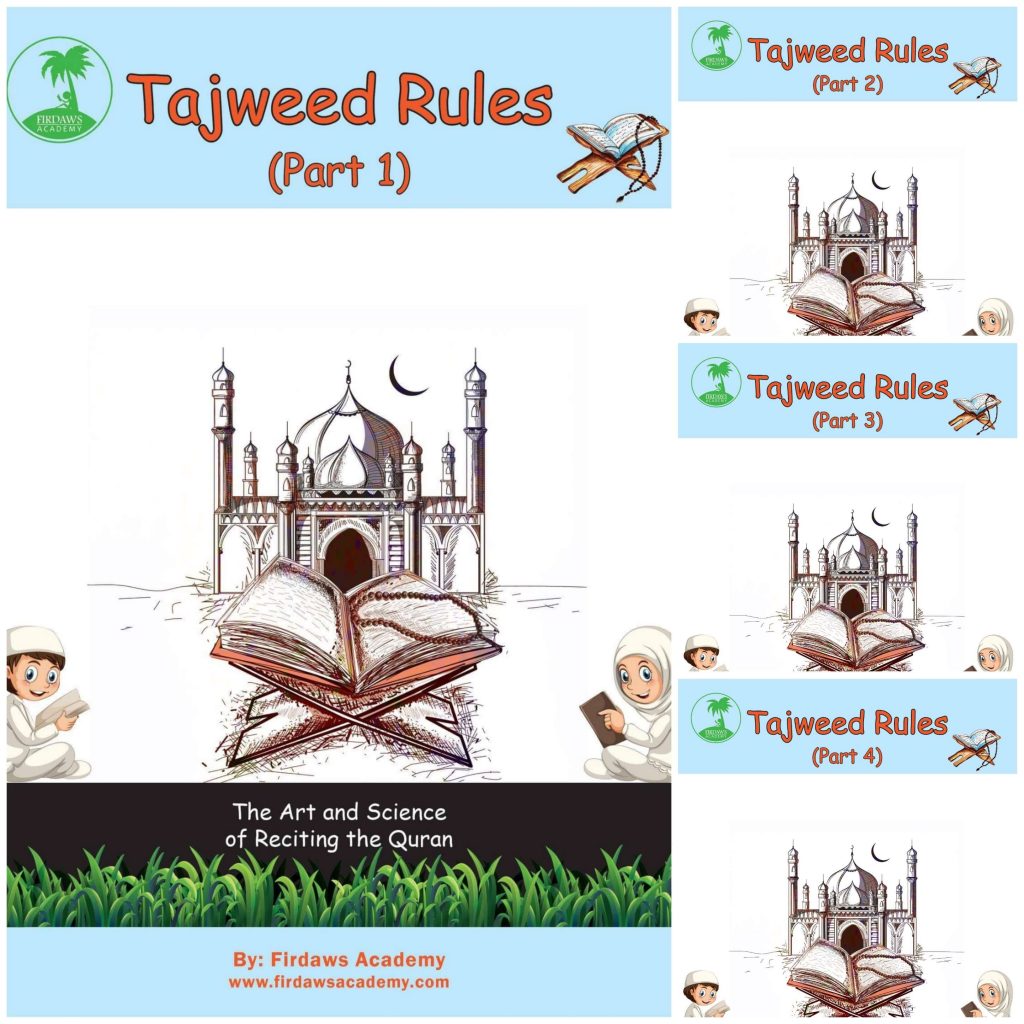
Free Tajweed and Quran Learning Resources
Firdaws Academy provides Tajweed and Foundation learning materials to help students practice Quran pronunciation and reading between lessons.
Do You Need a Teacher to Learn Quran Reading?
Independent reading and practice are valuable, but some Quran pronunciation mistakes can be difficult to recognize without listening to an experienced teacher.
A qualified tutor can listen to the pronunciation of each letter, identify mistakes, demonstrate correct Makharij and help students apply Tajweed during actual recitation.
Meet Firdaws Academy's Online Quran Tutors →
Reading Quran with Children
A child's relationship with the Quran should not revolve only around correction and testing. Parents can help Quran learning become a positive and natural part of family life.
- Let children hear Quran regularly at home.
- Set short and achievable reading goals.
- Praise effort and improvement, not only perfect recitation.
- Choose a teacher experienced with the child's age group.
- Review regularly rather than waiting until the next lesson.
- Help children understand simple meanings from what they read.
Frequently Asked Questions About Reading the Quran
Why should Muslims read the Quran every day?
Daily Quran reading helps maintain a regular relationship with Allah's revelation, provides opportunities for worship, guidance and reflection, and helps make Quran recitation a consistent part of life.
Do I receive reward if I cannot understand Arabic?
Quran recitation is itself an act of worship. Someone who is still learning Arabic does not need to wait until they understand every word before beginning to read. Studying a reliable translation can also help deepen understanding.
Can I learn to read Quran if I do not know Arabic?
Yes. Many students begin without knowing the Arabic alphabet. A structured foundation course can start with letters, pronunciation and joining letters before gradually progressing toward Quran reading.
How much Quran should I read every day?
There is no single amount suitable for every person. Choose a realistic amount you can maintain consistently, even if that begins with only a page or several verses.
Should I read the Quran quickly or slowly?
Quran reading should not become a race. Read at a pace that allows careful pronunciation and, when possible, reflection on the verses.
What if I make mistakes when reading the Quran?
Mistakes are a normal part of learning. Continue practicing and seek correction from a qualified Quran teacher whenever possible.
What is the difference between Quran reading and Tajweed?
Quran reading is the ability to recognize and recite Quranic text. Tajweed focuses on correct pronunciation, articulation and the rules governing Quran recitation.
Can children learn Quran online?
Yes. Children can learn Quran online effectively when lessons are appropriate for their age and the tutor provides regular interaction, correction and encouragement.
Can adults begin learning Quran from zero?
Yes. Adults can start from the Arabic alphabet and progress step by step. The important point is to begin at the learner's actual level.
Ready to Improve Your Quran Reading?
Whether you are learning Arabic letters for the first time, improving your Quran recitation with Tajweed, or looking for a structured learning plan for your child, Firdaws Academy offers personalized online Quran classes with qualified tutors.
Book Your Free Trial Meet Our TutorsLast reviewed and updated: . This article is intended for general Islamic education. Quran translations are provided for meaning; readers may consult trusted Tafseer and qualified scholars for detailed interpretation.